
Plenary Speakers
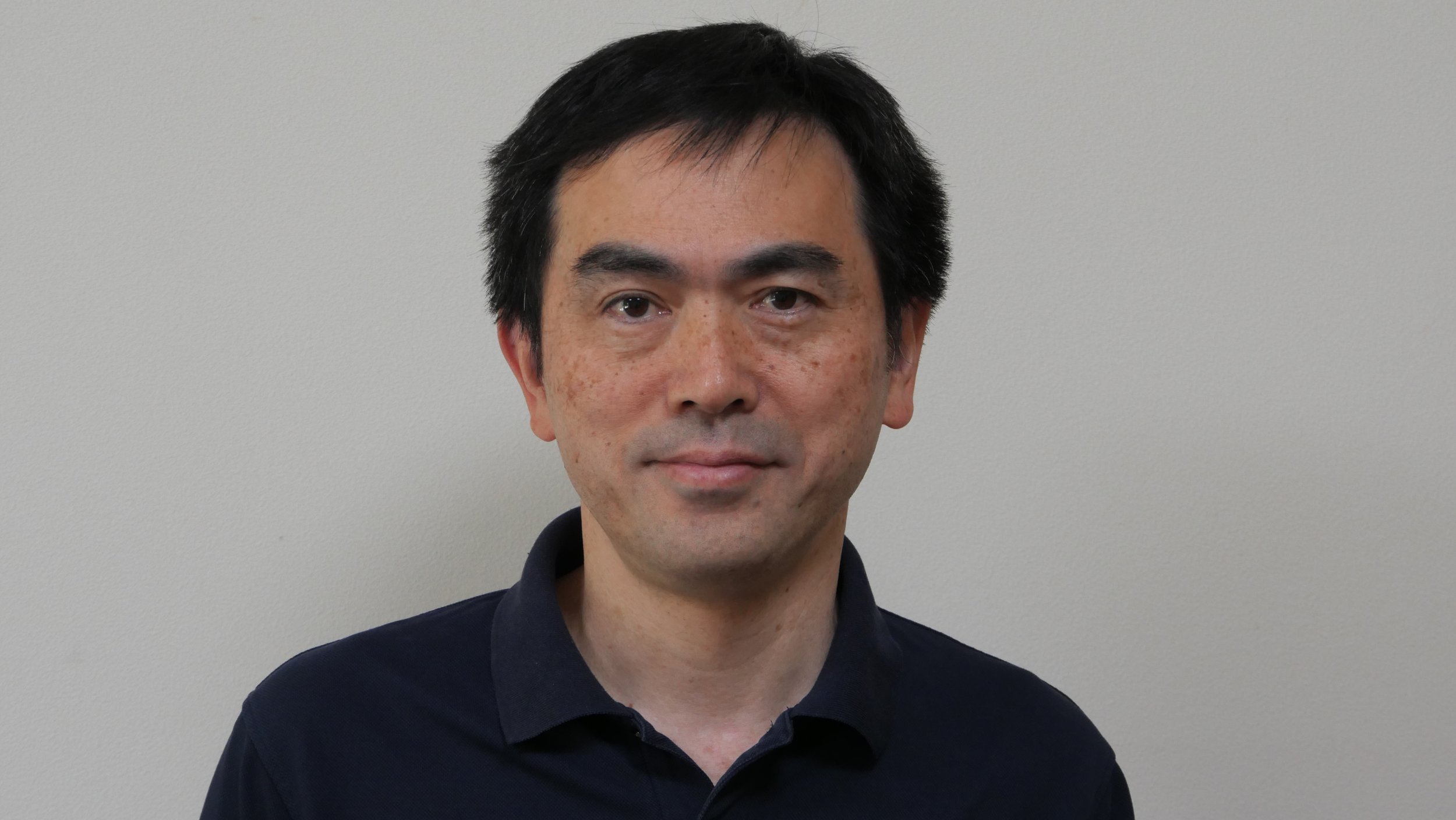
Akira Furusawa, The University of Tokyo, Japan
Title: Optical Quantum Computers with Quantum Teleportation
Abstract: We invented the scheme of teleportation-based quantum computing in 2013. In this scheme, we can multiplex quantum information in the time domain and we can build a large-scale optical quantum computer only with four squeezers, five-six beam splitters, and two optical delay lines. We built a real machine of optical quantum computer in Riken and put it on the cloud. We succeeded in the realization of machine learning with the real machine.
Short bio: Akira Furusawa received his MS degree in applied physics and Ph.D. degree in physical chemistry from The University of Tokyo, Japan, in 1986 and 1991, respectively. His research interests cover the area of nonlinear optics, quantum optics, and quantum information science. He is currently Professor of Applied Physics, School of Engineering, The University of Tokyo and the Deputy Director of RIKEN Center for Quantum Computing, and Co-founder and Director of OptQC Corporation, which is a startup company for optical quantum computers. Professor Furusawa has authored more than 100 papers in leading technical journals and conferences, which include the first realization of unconditional quantum teleportation, which was achieved in 1998 at California Institute of Technology as a visiting scientist at Professor Jeff Kimble’s lab. He received the Ryogo Kubo Memorial Award in 2006, the JSPS prize in 2007, the Japan Academy Medal in 2007, the International Quantum Communication Award in 2008, the Toray Science and Technology prize in 2015, and the Medal with purple ribbon in 2016. He is a member of the Physical Society of Japan, the Japanese Society of Applied Physics, and OPTICA.
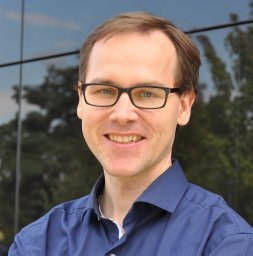
Florian Marquardt, University of Erlangen-Nuremberg, Germany
Title: Reinforcement Learning for better Quantum Computing
Abstract: As quantum technologies, including quantum computers, are scaling up, it becomes a challenge to harness the ever-growing complexity. Approaches based on machine learning are perfectly suited for this task. In this talk I will review how one can employ reinforcement learning, a powerful and general approach, to discover from scratch optimized feedback strategies. I will show how we are using model-free reinforcement learning to discover quantum error correction strategies like fault-tolerant logical state preparation. Moreover, we have applied the same technique in real experiments, for the first time training a real-time neural-network agent to feedback-control a superconducting qubit. Finally, I will mention our recently developed feedback-GRAPE technique for doing model-based reinforcement learning, and how this has already led to the discovery of an improved strategy for logical qubit stabilization in the GKP code setting.
Short bio:Florian Marquardt is a theoretical physicist whose current focus is on applying machine learning to scientific discovery and discovering physical systems that help for machine learning. He has a long-standing track record in areas bridging nanophysics and quantum optics, among them significant contributions to the theory of cavity optomechanics and the theory of superconducting circuit quantum electrodynamics. He is currently a scientific director at the Max Planck Institute for the Science of Light in Erlangen, Germany, as well as a professor at the local university. He studied at the university of Bayreuth, Germany, then did his PhD in Basel, Switzerland (finishing in 2002), afterwards went on to a postdoctoral stay at Yale university and a junior research group leader position at the university of Munich, before moving to Erlangen.

Lorenza Viola, Dartmouth College, United States
Title: Perspectives on characterization and control of spatiotemporally correlated noise: From robust spectral estimation to noise-tailored quantum gates
Abstract: Accurate characterization of the noise influencing a target quantum system has far-reaching implications across quantum science and technology, ranging from microscopic decoherence modeling and probing of correlations in many-body quantum systems to noise-tailored quantum control and error correction. I will describe how single- and multi-qubit systems can be harnessed as sensors, resulting in “quantum noise spectroscopy” (QNS) control techniques for estimating the noise spectral properties in a variety of settings of interest. Special emphasis will be devoted to describing recent progress in developing QNS protocols that are robust against state preparation and measurement (SPAM) errors and can thus deliver unbiased spectral estimates. Finally, I will describe how SPAM-mitigated spectral information can be incorporated in the design of quantum gates, resulting in noise-tailored control protocols that significantly outperform standard ones in the presence of complex, multi-peaked spectral landscapes.
Short bio: Professor Lorenza Viola is a theoretical physicist specializing in quantum information science. Following a “Laurea” (MS) degree in physics from the University of Trento, Italy, in 1991, and a Ph.D. in theoretical physics from the University of Padua, Italy, in 1996, she has been a postdoctoral fellow at the Massachusetts Institute of Technology until 2000 and then a J. R. Oppenheimer Fellow at Los Alamos National Laboratory. In 2004, she joined the Department of Physics and Astronomy at Dartmouth College, where she is now the James Frank Family Professor of Physics. Her research interests span a range of topics within quantum information physics and quantum statistical mechanics — including methods for noise characterization and control in open quantum systems and quantum computation, quantum sensing and metrology, quantum phase transitions and topological phases of matter. Viola has been the Director of the Quantum Information Science Initiative at Dartmouth for twenty years, and has held various leadership positions within the Division of Quantum Information. For her pioneering contributions in quantum science, she has been elected a Fellow of the American Physical Society in 2014.
Steffen Glaser, Technical University of Munich, Germany
Title: Optimal control and visualization of quantum dynamics
Abstract: Analytical and numerical tools of optimal control theory have found widespread applications in quantum technology. In the last decade, these tools not only provided quantum operations with unprecedented performance, but also new analytical and geometrical insight and a deeper understanding of quantum control problems. In particular the definition of the figure of merit (performance index) for a pulse sequence is crucial and non-trivial in the optimization for a desired range of applications. Examples from the field of nuclear magnetic resonance (NMR) and form the field of quantum information processing based on trapped ultra-cold atoms and superconducting qubits will be discussed. Furthermore, highly interactive and intuitive techniques have been developed to visualize the dynamics of spins and quantum bits (qubits) with applications in teaching and research.
Short bio: Professor Steffen Glaser(School of Natural Sciences) has been Professor at the Technical University of Munich since 1999. His research focuses on the optimal control of spin and pseudo-spin systems with applications in quantum information processing, NMR-based structural biology, and MRI. He received the Bavarian State Ministry Award for Excellence in Teaching and develops novel visualization methods for quantum phenomena. He studied physics in Heidelberg, earned his PhD at the Max Planck Institute for Medical Research, and completed postdoctoral work at the University of Washington in Seattle. He has served, among other roles, as spokesperson for international doctoral programs of the Elite Network of Bavaria in quantum science and technology and director of the European Virtual Facility for Quantum Control. Since 2021, he has been spokesperson of the Consortium Hardware-Adapted Theory within the Munich Quantum Valley (MQV) initiative.
Keynote Speakers
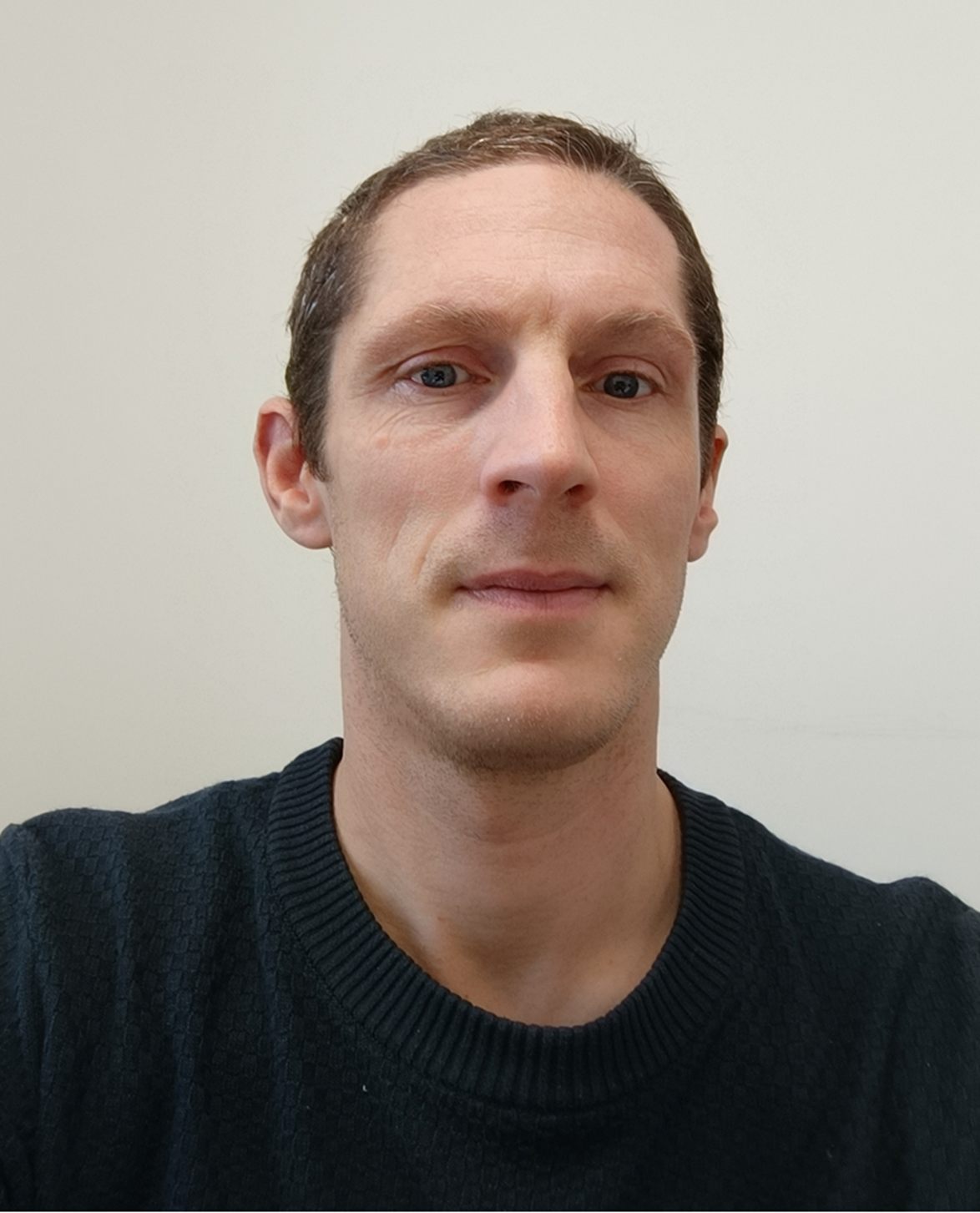
Alain Sarlette, Ghent University, Belgium
Title: Model reduction in dissipative quantum systems
Abstract: The analysis, tuning and design of quantum systems with stabilizing properties, often needs approximate reduced models to overcome the burden of high dimensional state spaces. After reviewing some motivating use cases, this talk will mainly focus on so-called «adiabatic elimination», which is essentially a series expansion approach to the block-diagonalization of the dynamics, discarding the fast decaying variables. We will review the developments of this technique during the last decade, extending its scope and accuracy. In particular, we will discuss how such reduced dynamics can be non-(completely-)positive, challenging its interpretation as a standalone quantum system; or conversely, permitting to embed such processes in open quantum dynamics.
Short bio: Alain Sarlette holds a Master in Applied Physics (2005) and a PhD in Applied Maths (2009 — system dynamics and control), both from the University of Liège, Belgium. He started working on quantum control with Pierre Rouchon and the S.Haroche group during his postdoc in Paris. He has been a lecturer in Systems and Control at Ghent University since 2011, and a researcher at INRIA Paris since 2014, as one of the founding members of the QUANTIC lab. His research interests cover all aspects of quantum computing, with a majority of contributions concerning the engineering and analysis of open quantum systems.
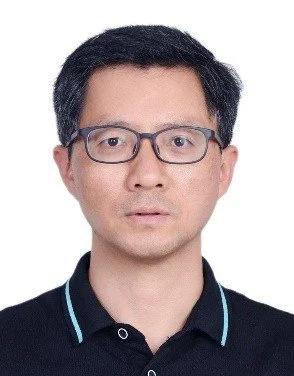
Guo-Yong Xiang, University of Science & Technology of China, China
Title: The Photon-Atom Hybrid Integration Chip
Abstract: In quantum information processing, neutral atoms and photons are recognized as ideal carriers for quantum bits: atoms possess long coherence times and single-bit manipulability, while photons enable fast, low-loss information transmission. Achieving efficient coupling between them is central to advancing quantum computation, quantum communication, and quantum precision measurement. Although cavity quantum electrodynamics systems have achieved milestone progress in this field, traditional schemes based on Fabry-Perot optical cavities are limited by their volume and complexity, making them difficult to satisfy the demands of large-scale qubit integration and manipulation. In recent years, the flourishing field of integrated photonics has provided a new paradigm for addressing this scalability challenge: leveraging nanofabrication techniques, photonic chips not only enable multifunctional integration but also, due to their extremely small mode volumes, can significantly enhance the coupling strength between single atoms and single photons. However, the interaction between light fields propagating in such structures and neutral atoms primarily relies on the evanescent field at the structure's surface, necessitating precise trapping of atoms in the near-field region merely hundreds of nanometers from the surface. The complex environment near dielectric surfaces renders traditional free-space atomic cooling and manipulation techniques no longer directly applicable, urgently requiring the development of novel methods for atom transport, trapping, and detection.
We are dedicated to constructing a photon-atom hybrid integrated chip based on a gallium nitride-on-sapphire waveguide. In this talk, I will report the progress: We fabricated low-loss photonic chips using nanofabrication techniques and established a complete cold atom preparation and optical manipulation system, addressing the challenge of controlled long-distance transport of atoms from a magneto-optical trap to the chip surface. Furthermore, we systematically investigated the loss mechanisms of atoms near the surface and developed targeted trapping schemes accordingly, ultimately achieving near-field optical trapping of an atom approximately 240 nm from the waveguide surface. Additionally, we explored scalable atom addressing and transport pathways based on optical tweezer arrays.
Short bio: Guoyong Xiang received a B.E. Degree in Physics Education from Anhui Normal University in 2000 and a Ph.D. degree in Optics from University of Science & Technology of China (USTC) in 2005 respectively. Currently, he is a professor at USTC, Hefei, China. He was a research fellow at Griffith University, Brisbane, Australia from 2007 to 2010. His research interest include quantum optics and quantum information, especially quantum precision measurement and quantum control.
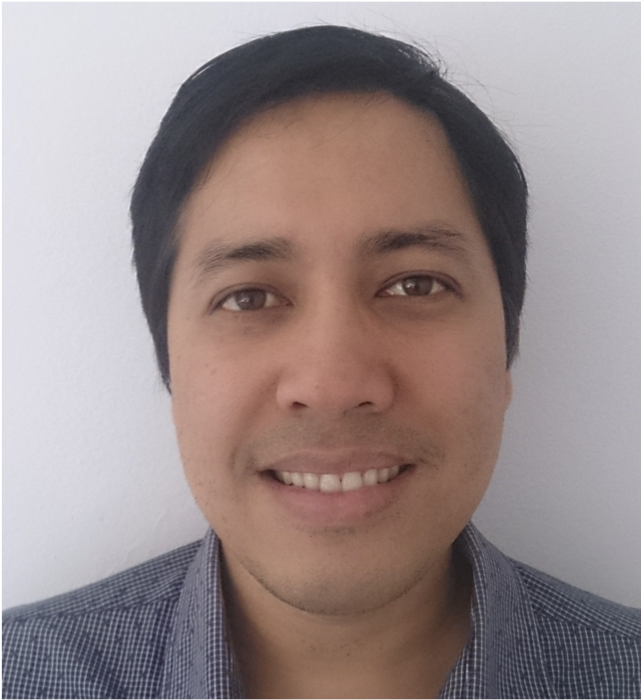
Hendra Nurdin, UNSW Sydney, Australia
Title: Projection Operator Method for Monitored Non-Markovian Quantum Systems
Abstract: Quantum feedback control has largely been based on quantum Markov models. Such models have been successfully used to accurately model various quantum systems in quantum optics, optomechanics and superconducting circuits. However, the quantum Markov assumption is a strong one and it is not expected that general quantum systems of interest will meet this assumption. The projection operator approach is one approach that has been developed to model non-Markovian quantum systems but mainly in the context of quantum master equations for the dynamics of the unmonitored reduced quantum state of a quantum system. The case of non-Markovian quantum systems that are monitored by coupling them to a probe has remained largely open. In this talk, I will present recent on results on an extension of the projection operator approach to monitored non-Markovian quantum systems. In particular, I will present a new non-Markovian stochastic differential equation that models the continuous-time evolution of the projected quantum state of a non-Markovian quantum system under continuous measurement by coupling it to a probe. This is expected to open up a basis for data-driven reduced complexity modelling and simulation of non-Markovian quantum systems from experimental data as well as providing a basis for quantum feedback control design. I will then also introduce results on the projection operator method for non-Markovian quantum systems that are sequentially measured at discrete time-points with general quantum instruments.
Short bio: Dr Hendra I. Nurdin (Senior Member, IEEE) received the Ph.D. degree in engineering and information science from The Australian National University (ANU), Canberra, ACT, Australia. From 2008 to 2011, he was a Research Fellow and then an Australian Research Council APD Fellow at the Department of Engineering, Australian National University. In 2012, he joined the School of Electrical Engineering and Telecommunications, University of New South Wales (UNSW), Sydney, Australia, where he is a Senior Lecturer. He is an Associate Editor for the IEEE Control System Letters and IMA Journal on Mathematical Control and Information, and is an associate editor of the IEEE CSS Conference Editorial Board and the European Control Conference. He co-authored (with N. Yamamoto) the monograph "Linear Dynamical Quantum Systems: Analysis, Synthesis and Control". His research interests spans quantum stochastic systems and control, machine learning with dynamical quantum systems, neuromorphic computing, and applications of control theory to renewable energy systems.
Jr-Shin Li, Washington University, United States
Title: Quantum Ensemble Control: Foundations, Evolution, and Future Challenges
Abstract: Robust manipulation of ensembles of quantum systems in the presence of heterogeneities and uncertainties that induce variations in system dynamics is a central challenge for achieving unified and reliable operation in quantum technologies. Quantum ensemble control has emerged as a new paradigm that offers a systems-theoretic framework for the systematic and rigorous treatment of control, computation, analysis, design, and learning in this intricate and timely domain. This presentation will introduce ensemble control formulations for quantum systems that exhibit inherent and exogenous heterogeneities in their Hamiltonians and will review major foundational results in this field, with emphasis on both theoretical and computational aspects of quantum control and quantum computation. It will also discuss recent advances in a new paradigm that addresses infinite-dimensional quantum ensemble systems through their dual representations and systematically constructed finite-dimensional approximations. This duality yields a new notion of quantization defined in a quantum latent space and motivates the use of such quantization schemes to enable systems-theoretic analysis, computation, and learning in large-scale quantum ensembles and networks. The applicability and effectiveness of this quantization framework will be illustrated through key systems analysis and optimal control design problems in quantum ensemble control and quantum networks. Open challenges and future research directions will be highlighted.
Short bio: Dr. Jr-Shin Li is Newton R. and Sarah Louisa Glasgow Wilson Professor in the Department of Electrical and Systems Engineering at Washington University in St. Louis. He holds joint appointments in the Division of Computational \& Data Sciences (DCDS) and the Division of Biology \& Biomedical Sciences (DBBS). Dr. Li received his B.S. and M.S. degrees from National Taiwan University and his Ph.D. in Applied Mathematics from Harvard University in 2006. His research interests span systems, computational, and data sciences, with applications in quantum systems, biology, neuroscience, complex networks, and machine learning. Dr. Li is a recipient of the NSF CAREER Award (2008) and the AFOSR Young Investigator Award (2010). He has served as Associate Editor for the SIAM Journal on Control and Optimization (SICON) and the IEEE Transactions on Control Systems Technology (TCST), and is current an Editorial Member of Nature Scientific Reports. Dr. Li is an IEEE Fellow and a founding chair of the IEEE Technical Committee on Quantum Computing, Systems, and Control.
Niels Engholm Henriksen, Danmarks Tekniske Universitet, Denmark
Title: Controlling Molecules Using Coherent Light
Abstract: Traditionally in chemistry, heat and catalysts have been the only tools to control the behavior of molecules. The microscopic dynamics of atoms and molecules are governed by the laws of quantum mechanics. The phase coherence of laser light can be transferred to molecular systems as coherent quantum superpositions and lead to the control of quantum interferences. To that end, photochemistry with laser light is a potential quantum technology that could deliver improved performance over classical photochemistry. In this talk, we will illustrate this concept from a computational point of view using optimized femtosecond laser pulses with applications to processes such as molecular alignment and orientation, bond breaking, and isomerization. Current experimental challenges will also be addressed.
Short bio: Niels Engholm Henriksen has a PhD in chemical physics from the Technical University of Denmark (1987), followed by postdoctoral work with Prof. E.J. Heller in the US, and he is a Doctor of Science from the University of Copenhagen (1994). Since 1991, affiliated with the Technical University of Denmark. His research interests are curiosity-driven research within theoretical physical chemistry based on quantum mechanical methods and concepts. That includes timely contributions to femtosecond chemistry, such as quantum wave packet dynamics, time-dependent field-free orientation of molecules, selective bond breakage in polyatomic molecules, time-resolved x-ray diffraction, and chemical dynamics induced by phase-shaped laser pulses. Author (with F.Y. Hansen) of the textbook: Theories of Molecular Reaction Dynamics, 2nd ed. (Oxford Graduate Texts, Oxford University Press, 2018, 464 pages).